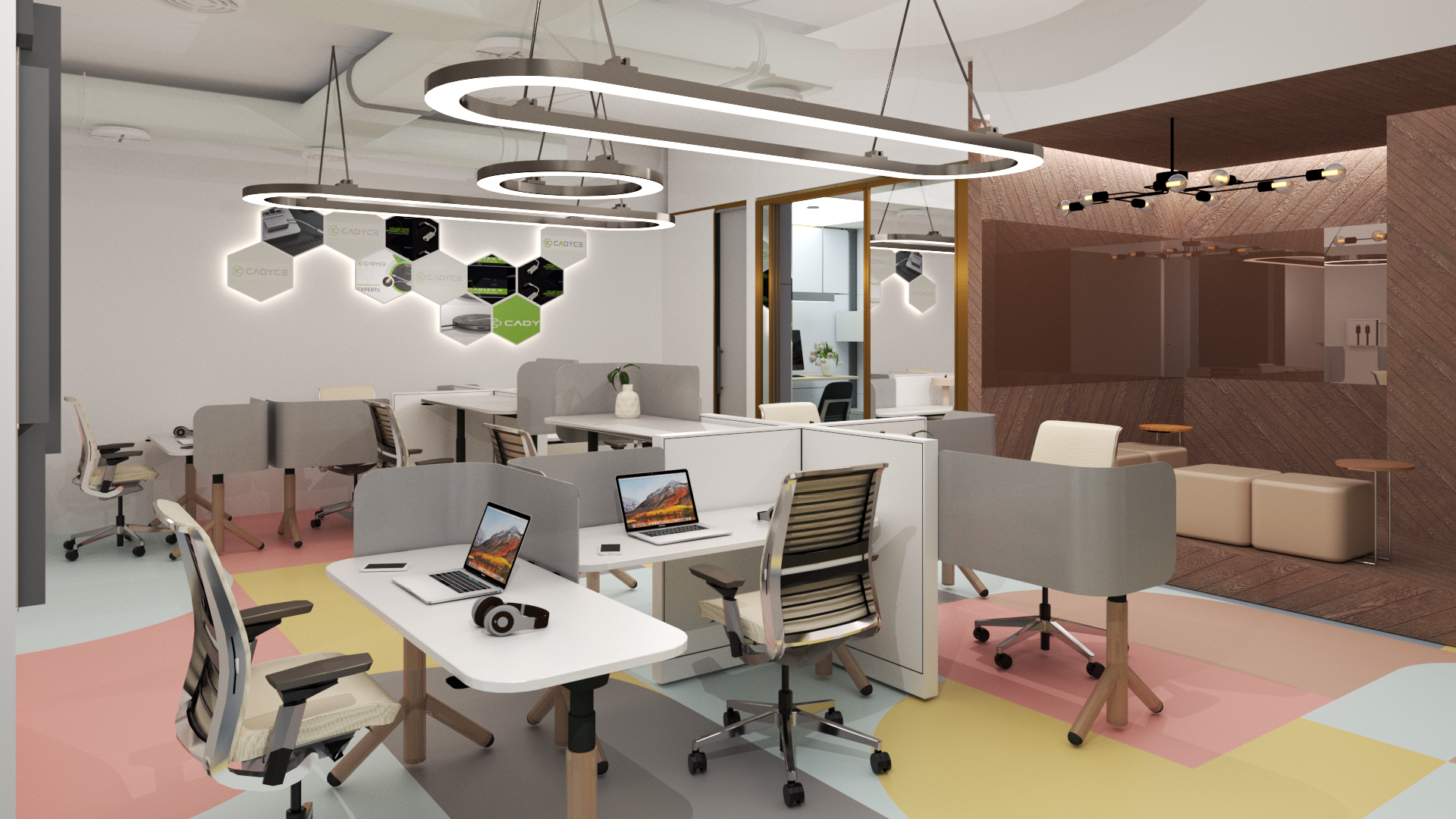
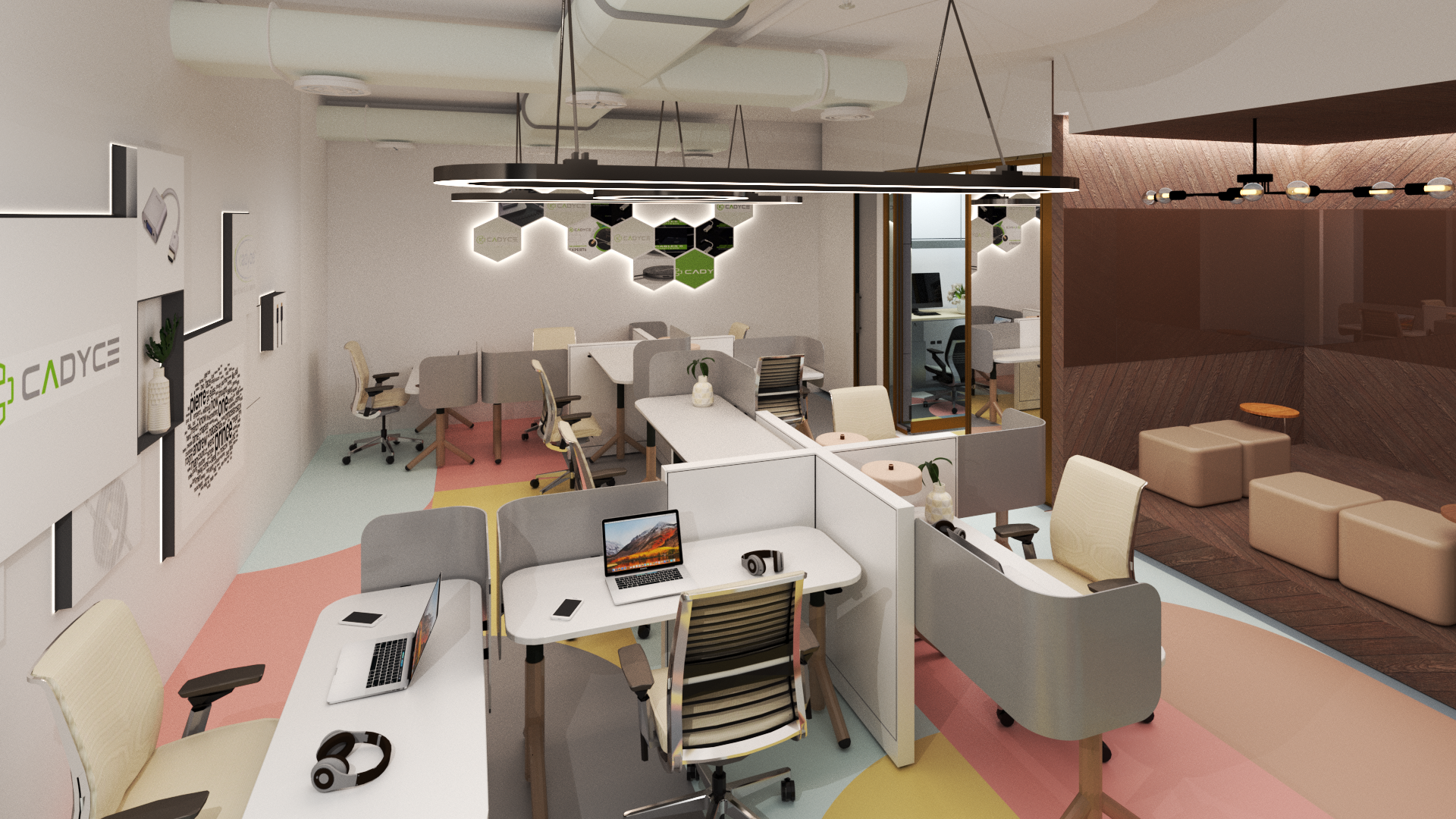
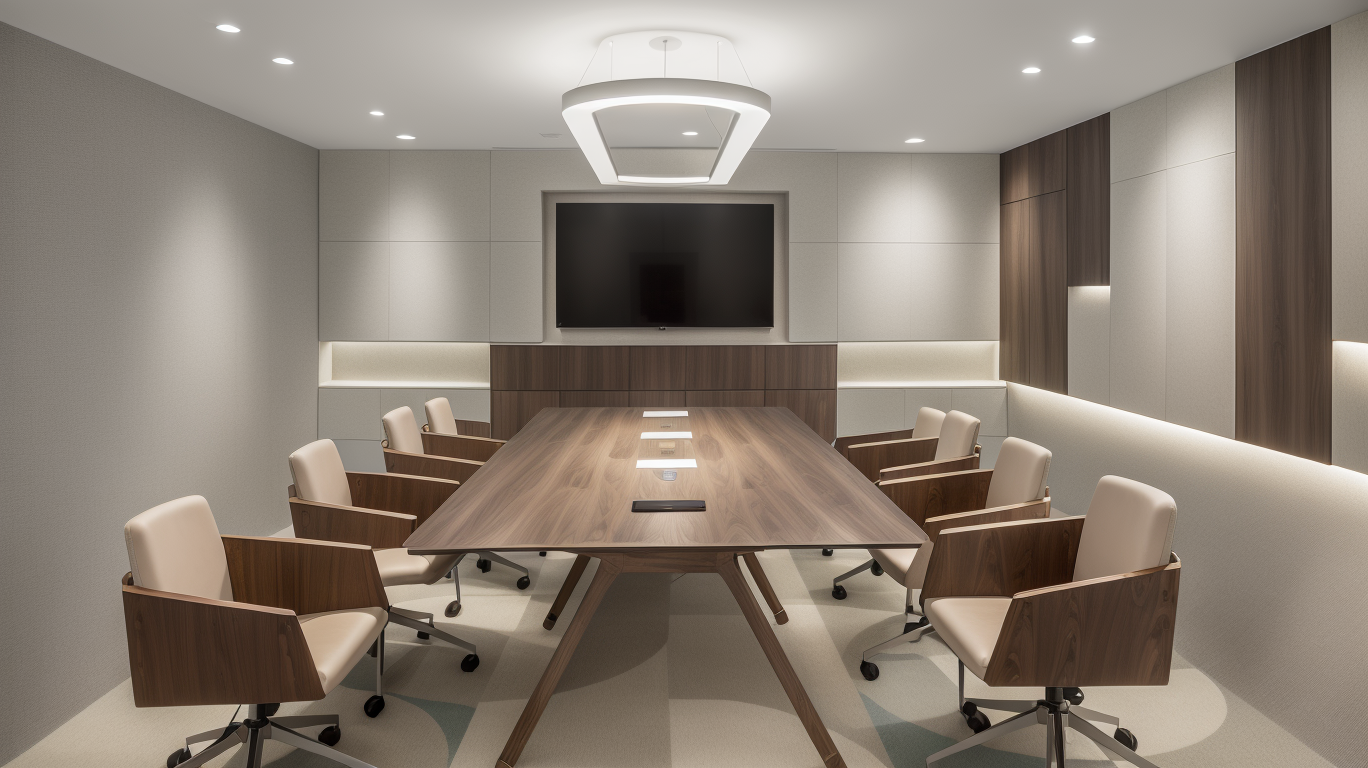
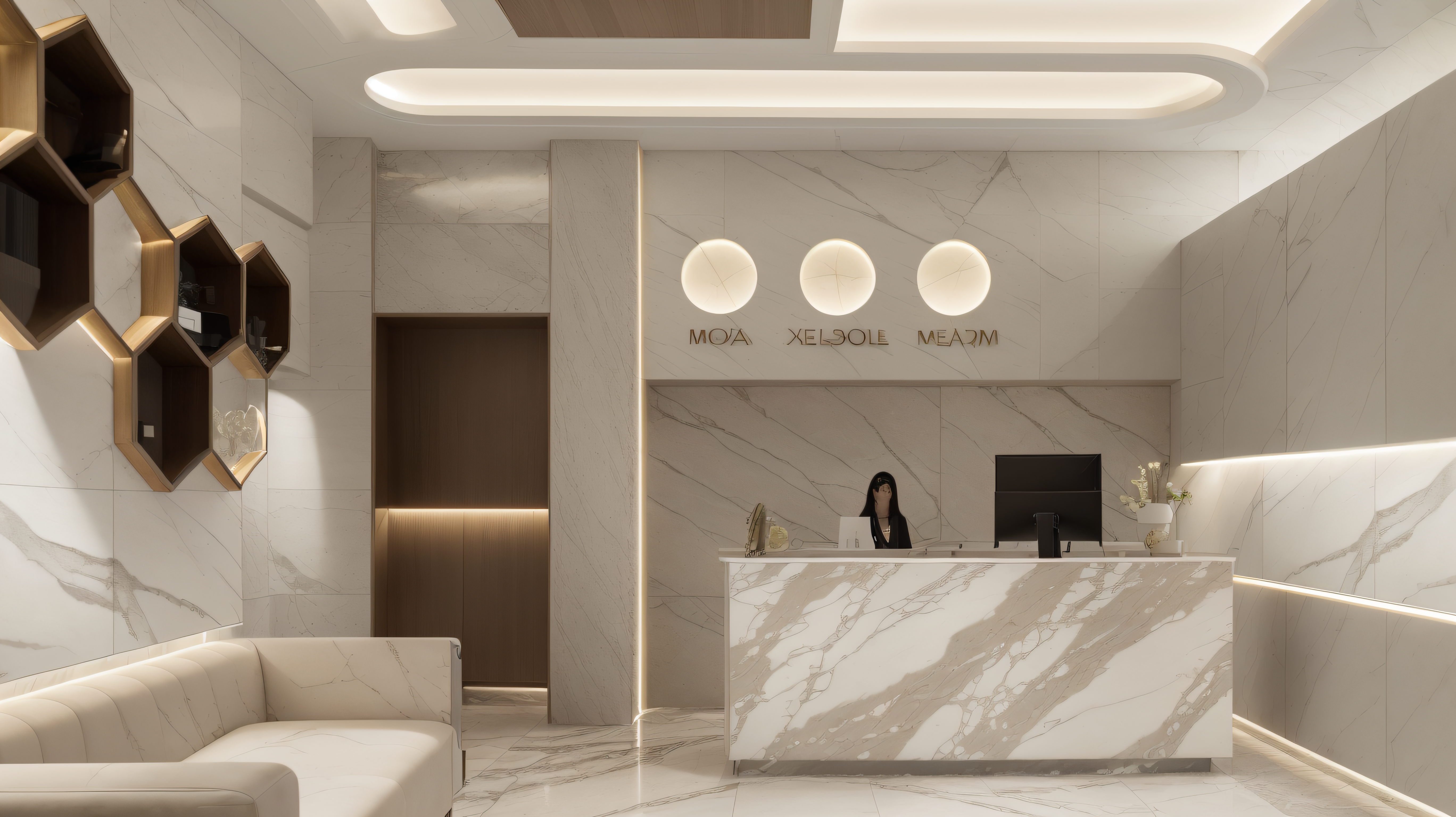
Intro: The commercial interior project for an IT company was meticulously designed by respecting the company’s values and beliefs. A thorough study was conducted to analyze the company’s work pattern, which led to crafting perfect spaces like interactive meeting halls, collaborative corners, whiteboard areas for brainstorming, private meeting areas, and more.
Location: Located in Pune, the interior design project caters to an IT company seeking a functional and inspiring workspace that aligns with its corporate culture and operational needs.
Site: The site design includes various zones tailored to support different work activities, ensuring a cohesive and productive environment for the employees.
Design Goals: The design goals focused on creating an environment that fosters collaboration, creativity, and efficiency. The spaces were designed to support diverse work activities, from brainstorming sessions to private meetings, while maintaining a cohesive aesthetic.
Concept: The concept revolves around understanding and reflecting the client’s values and work patterns. The look and feel of the materials were strongly influenced by the client company’s material palette for their range of products, ensuring consistency and brand alignment throughout the space.
Form: The interior layout includes:
- Interactive Meeting Halls: Designed for large group discussions and presentations, equipped with modern AV systems.
- Collaborative Corners: Informal spaces for team collaborations and spontaneous meetings.
- Whiteboard Areas: Dedicated spaces for brainstorming and idea generation.
- Private Meeting Areas: Enclosed spaces for confidential discussions and focused work.
Materials and Aesthetics: The materials and finishes used in the interior design were carefully selected to reflect the client’s brand and product aesthetics. This approach ensures a cohesive look that aligns with the company’s identity and enhances the overall work environment.
Sustainable Strategies: Sustainable design strategies include the use of eco-friendly materials, energy-efficient lighting, and ergonomic furniture. These features create a healthy and sustainable workspace, contributing to the well-being of the employees.
Conclusion: The commercial interior project for the IT company successfully combines functionality, aesthetics, and sustainability. By respecting the company’s values and work patterns, After Vision Studio has created a workspace that fosters innovation, collaboration, and productivity.